Let me start with something simple. Or maybe with Nothing.
You’d expect things to get better every year. More options, better features, lower prices (okay, maybe that’s asking too much). But what we’re actually seeing is the opposite in some ways. Prices creep up. Upgrades feel smaller. And every new phone launch starts blending into the next.
You probably feel it too, right?
So when the Nothing Phone (4a) Pro shows up, it naturally catches your eye.
Not just because it looks different. But because it’s trying to do something… slightly off the usual path.
Now, before you get too excited—it’s not perfect. Not even close.
But it’s interesting. Truly, you will know now why this model races ahead from others.
The Price Situation in India
The Nothing Phone (4a) Pro sits in that uncomfortable middle zone. Not cheap enough to be an easy buy. Not powerful enough to feel like a flagship killer either. You can check Nothing Phone 4a Pro’s price in India
Earlier, this price range was good. Now? It feels like brands are juggling compromises.
Why prices feel higher lately
There’s a bigger picture here—rising costs, supply issues, all that behind-the-scenes stuff we don’t usually think about.
Companies are either:
- Increasing prices quietly
- Cutting features subtly
- Or doing both and hoping you don’t notice
Nothing kind of… balances it.
You are paying more than before. But at least you’re not getting something that feels completely recycled.
That counts for something.
First Look: Still Unique, Just a Bit More… Controlled
You know that feeling when you see a phone and instantly know which brand it is?
That’s still true here.
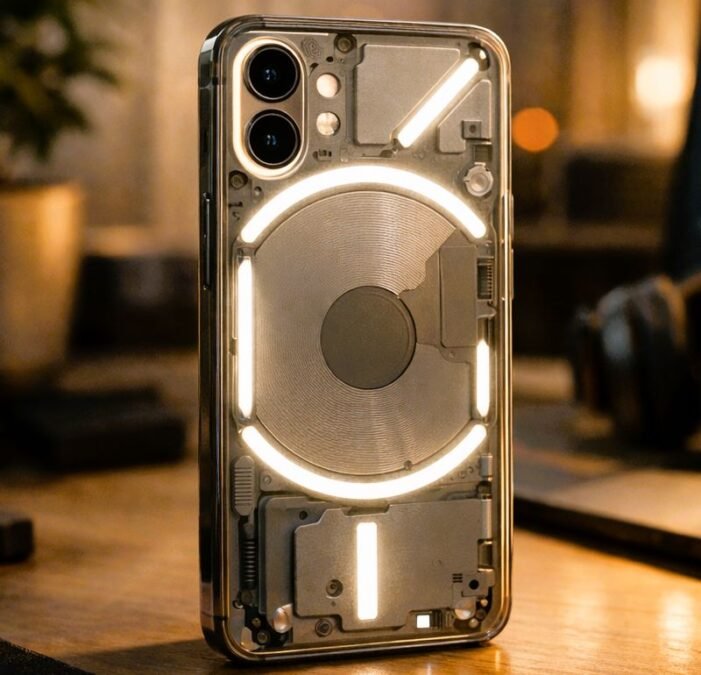
This device keeps the back transparent. The internal design is visible (well, designed to look visible). It’s still doing its own thing.
What changed in design?
But it’s calmer now.
Earlier Nothing phones had this loud, almost experimental look. Lines everywhere. Patterns that felt like they didn’t care about symmetry.
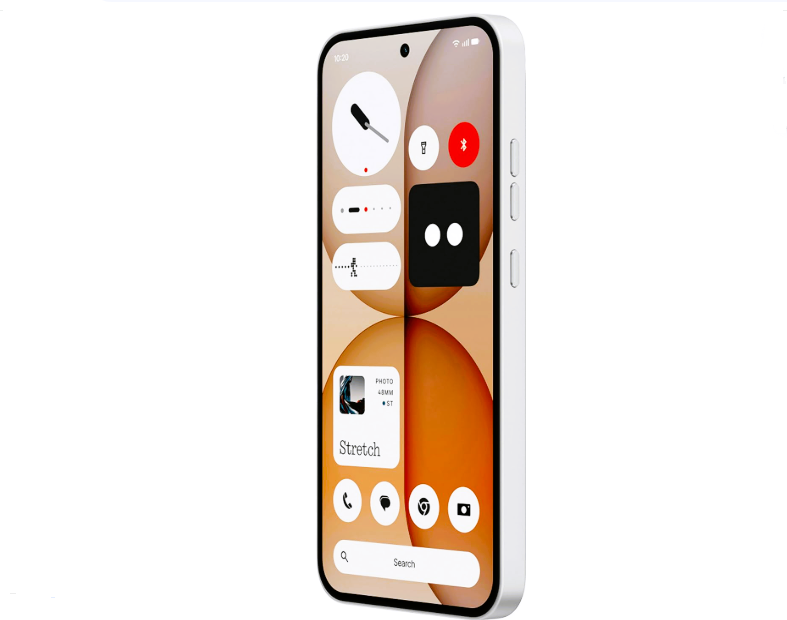
This one feels more… intentional.
Cleaner layout. Less chaos. A bit more grown-up, maybe.
Some people will love that shift. Others might feel like it lost a bit of personality.
I’m somewhere in between. I liked the old boldness. But this new version? It’s easier to live with daily.
That matters more than spec sheets sometimes.
Glyph Lights: Fun… Then You Forget About Them
Alright, the lights. We can’t skip them.
The Glyph system is back, brighter than before. A bit more refined. More visible in different lighting conditions too.
Real-life usage (what actually happens)
At first, it’s genuinely fun.
You get different light patterns for calls, messages, charging. You can tweak it, customize it, mess around a little.
Feels fresh.
But here’s what happens—and it happens quietly.
You stop using it.
Like, imagine this—you’re sitting in a meeting or class, your phone lights up on the table. You notice it for a second. Then what? You still pick it up and check the screen anyway.
Or say you’re at home, phone charging next to your bed. The Glyph looks cool in the dark… but after a few days, you barely notice it.
Also, small things—but changing settings isn’t super smooth. You have to dig a bit. It’s not instant.
So yeah, a cool feature. Not something that changes how you use your phone long-term.
Display: Smooth Enough That You Stop Noticing It
This is one of those areas where nothing feels wrong.
With a 120Hz refresh rate, the display is also massive and AMOLED.
Everyday experience
Scrolling feels natural. Animations don’t stutter. Videos look clean.
Brightness holds up outdoors too.
Like when you’re outside—maybe checking directions or waiting for a cab—you won’t struggle to see the screen.
Performance: Good… Until You Push It a Bit Too Far
Let’s keep expectations real.
This isn’t built for heavy performance.
The Snapdragon 7-series chip inside does a solid job for everyday use.
Where it performs well
- Social media
- Streaming
- Messaging
- Light multitasking
All smooth.
Where it struggles a bit
Push it harder and things change.
Heavy gaming, long sessions—you’ll feel some warmth. Maybe a tiny lag.
Like after dinner, you start gaming for 30–40 minutes. That’s when the phone reminds you it’s not a flagship.
Not a dealbreaker. Just something to keep in mind.
Camera: This Time, It Actually Feels Thought Through
This part surprised me a bit.
Because earlier Nothing phones didn’t exactly shine in the camera department.
This one feels different.
What you get
You get:
- A strong main camera
- A proper telephoto lens
- A decent ultra-wide
- A solid selfie camera
Photos come out sharp. Colors look lively, not overdone.
Real-life example
Say you’re at a family function. Someone’s standing across the room and you zoom in.
Usually, midrange phones mess this up.
Here? It actually works. You get usable shots without everything turning blurry.
Low light is decent. Not magical, but good enough.
Video is… okay. That’s it.
Battery Life: No Drama, Which Is Perfect
This is one of those things you appreciate quietly.
The battery just lasts.
Daily usage example
You won’t need to chase the charger on normal days while scrolling.
That’s more than enough for most people.
Charging is quick too. Not crazy fast, but good enough.
Software: Clean, Simple, Easy to Like
I keep coming back to this—the software feels right.
Nothing OS doesn’t try too hard.
Why it works
- Minimal design
- No unnecessary apps
- Smooth performance
- Unique but simple UI
Initially, it looks normal. But gradually it grows.
Full Specifications Table
Here’s a quick look at what the Nothing Phone (4a) Pro offers on paper:
| Feature | Specification |
| Display | 6.77-inch AMOLED, 120Hz refresh rate |
| Processor | Snapdragon 7s Gen 3 |
| RAM | 8GB / 12GB |
| Storage | 128GB / 256GB |
| Rear Cameras | 50MP (main) + 50MP (telephoto) + 8MP (ultra-wide) |
| Front Camera | 50MP |
| Battery | 5000mAh |
| Charging | Fast charging support |
| OS | Nothing OS (Android-based) |
| Build | Glass back, aluminum frame |
| Special Feature | Glyph Interface (LED lights) |
The Small Stuff That Might Annoy You
No phone gets everything right.
This one has its moments.
You might notice:
- Occasional lag
- No full water resistance
- 5G limitations in some areas
- Glyph still feels unfinished
Not major issues. But yeah, they exist.
Who Should Actually Think About Buying This?
This part depends on you.
You’ll like it if:
- You want something different
- You like clean software
- You care about camera quality
- You’re a casual user
Maybe skip it if:
- You want top performance
- You shoot a lot of video
- You prefer traditional phones
So… Where Does It Stand?
Here’s what I keep thinking about.
Phones today feel predictable.
Same designs. Same ideas.
And in that space, the Nothing Phone (4a) Pro feels… different enough.
Not perfect. But different.
If you have a flair for tech and accessories, you might also enjoy our detailed guides on smartwatches, AI-powered gadgets, and Samsung smartphones or best Gaming monitors in 2026.
Final Thoughts (Just Talking Straight)
I wouldn’t call this the best phone in its category. At least this one gives you something to think about.If you want something safe, there are easier choices. And right now, that’s kind of rare.
FAQs About Nothing Phone (4a) Pro
1. Is the Nothing Phone (4a) Pro good for daily use?
Yes, it handles everyday tasks smoothly without feeling slow.
2. Does the Glyph lighting actually help in real life?
Not really—it looks cool at first, but you’ll mostly ignore it later.
3. Is the camera better than older Nothing phones?
Yes, photos are sharper, colors look better, and zoom finally feels usable.
4. Can I play games on it?
Yes, but heavy games may cause slight heating and minor lag over time.
5. How’s the battery in real life?
It easily lasts a full day with normal use.
6. Does it support fast charging?
Yes, charging is quick enough for daily convenience.
7. Is Nothing OS easy for beginners?
Yes, it’s clean, simple, and easy to understand.
8. Is it waterproof?
No, it can handle splashes but isn’t fully waterproof.
9. Does 5G work properly in India?
Mostly yes, especially in cities, though it may vary slightly by network.
10. Should you buy it or look at other options?
Buy it if you want a balanced, unique phone; skip it if you want top performance or video.
So… what’s the takeaway?
If you want something simple, different, and reliable—it makes sense.
If you want the absolute best specs… maybe keep looking.